


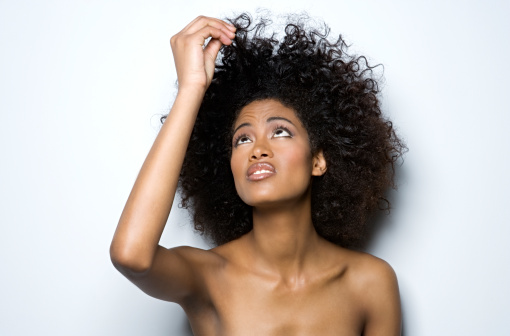
How to cure seborrheic dermatitis, what is it, how can we protect ourselves and especially how can we keep our hair in a healthy state!
Seborrheic dermatitis is a quite common disorder that hits mainly the scalp but not only; it is characterised by inflammation, redness and icthing in the area it hits. Seborrheic dermatitis consists of the loss of greasy scales, caused by a fungus called Malassezia furfur, which causes skin irritation. The cells than due to the stress they undergo start producing scales which than become little crusts..
 Furthermore in many cases, the greasy scales are associated to other skin disorders such as folliculitus and erythema.
Seborrheic dermatitis is a chronic disease and above all is recurring, that is it shows up again after some time and apart from the scalp it can also hit, eyebrows, ears and also inguinal areas. But actually in most cases only the scalp is affected since it is the perfect environment for this fungus because the altered grease (sebo) is a suitable environment, even newborns can suffer from this disorder and in that case it is called cradle cap.
CAUSES AND TRIGGERING FACTORS
Actually little is known about the causes, but there are many elements considered risk factors:
- genetic predisposition
- Stress, hectic life, mood variations
- Hormonal variations
- Use of corticosteroids
- Immune system pathologies
- Predisposing climatic factors (excessive heat, humidity)
- Poor hygiene
- Cleansing with irritating agents
- trichotillomania (mania to touch hair continuously)
- The esagerated use of straighteners could help in the formation of seborrheic dermatitis, also as tending to brush hair many times a day.
REMEDIES FOR CURING SEBORRHEIC DERMATITIS
Although there are no medicines or cures that resolve the problem definitely the are many remedies that can at least contrast it and the use of specific hair products, whos action is to inhibit the production and growth of the fungus is recommended; with regards to the shampoo it should contain active ingredients that help reduce inflammation in the interested areas.
Often seborrheic dermatitis is also accompanied by hair loss and in this case it would be appropriate to apply lotions for contrasting the miniaturization of the follicles: infact the excessive production tends to “squash” the hair bulb, hence the hair falls.
NATURAL REMEDIES
There are also natural remedies that help relieve seborrheic dermatitis, these act as anti-inflammatories ans especially as sebo regulators, for example we can make an ointment out of the following plants:
–Borage oil (Borago officinalis): “revives” damaged skin, thanks to the presence of linoleic acid and gamma linoleic. It is also useful for skin affections in general, especially for allergic affections; it is also ideal for calming itchiness caused by seborrheic dermatitis. (it can be substitued by sweet almond oil)
-Echinacea (Echinacea pallida): Thanks to its high quantity of echinacoside and e phenyl-propanoidica compounds (caffeci, quinic and cinnamic acid) this plant is also known for its anti-bacterial and anti-microbial abilities.
-Incense: comes from plants belonging to the Boswellia family. Even though one thinks of incense only for religious cults, in reality it has anti-microbial, stimulating and revitalizing properties. Furthermore it is used for healing wounds and as an immunostimulatory, this infact boosts the the action from the echinacea.
-St. John’s wort (Hypericum perforatum): has a strong healing vulnerary action. In particular the anthraquinone present stimulates the healing (hypericin) action, whilst the flavonoids repair the damege at skin level and the tannins the antiseptic action.
To relieve seborrheic dermatitis also natural capsules are useful, meaning a product made for internal use, to be swallowed and cure our organism internally, since our organism requires to be purified from waste and toxins, therefore a product made from Dandelion, Flue and Burdock, this way we complete the ointment’s function.
– Dandelion has skin purifying properties and therefore is required to remove skin impurities.
-Flue has anallergic, anti-inflammatory and tonic-purifying properies, being also diuretic it results in being very important at renal and biliary level. Attention must be paid because flue, although not showing serious side effects, should be avoided during pregnancy and breast feeding; and furthermore those suffering from low blood pressure should avoid the assumption of herbal preparations containing flue.
– Burdock promotes proper skin phisiology, thanks to the purifying and decongestant properties and stimulates hepatic and pancreatic functionalities, promoting digestion.
DERMATITIS AND FOOD SUPPLY
Food supply plays a fundamental role for seborrheic dermatitis just like all the minor entity dermatological and skin disorders, infact a diet rich in saturated fat and sugar, can in some way boost this condition, it is therefore recommended to consume bluefin fish rich in polyunsaturated fat (omega 3 in particular), that help relieve the problem in part.
A BAD HABIT
Usually, those affected by seborrheic dermatitis have a habit of contiunously stroking their hair, or to scratch their heads, this habit is extremely harmful for the hair, no matter how clean our hands can be, a layer of natural fat (grease) is always present, hence touching our hair with our hands, this grease will be transferred and the result will be another layer of grease on our hair getting them even heavier. This habit therefore worsens the dermatitis or even worse promotes it.
Take a look at our tried and tested method: Anti-Diet


Leave A Comment