


Triglycerides symptoms and risks!
What are triglycerides, how to recognize them when are they too high and especially what must be done.
Triglycerides are a fat present in the blood, our body converts into triglycerides any calorie ingested with food that exceeds the immediate needs to store them then in adipose cells. Following this the hormones do release the triglycerides to provide energy between meals.
If we regularly ingest too many calories such as carbohydrates or fats, it is possible to have high triglyceride levels, the so-called hypertriglyceridemia.
What are the normal values?
With simple blood tests we can check if the triglycerides fall within the threshold of normality, following the values indicated below:
Normal values: less than 150 milligrams
Above the norm: from 150 to 199 mg/dl
High: from 200 to 400 mg/dl
Very high: over 400 ml/dl
Usually the doctor monitors the values together with the cholesterol (the so-called panel or lipid profile). The blood must be taken after 8-12 hours fasting for an accurate measurement of the triglycerides.
TRIGLYCERIDES AND CHOLESTEROL WHAT ARE THE DIFFERENCES?
Triglycerides and cholesterol are both lipids circulating in the blood but are different among them. Triglycerides in fact retain the extra unused calories and supply energy to the body between a meal and another, while cholesterol is used to build cells and some types of hormones. Both triglycerides and cholesterol do not dissolve in the blood, they circulate through the body with the aid of specific proteins.
WHEN DO WE TALK ABOUT HIGH TRIGLYCERIDE LEVELS
High triglyceride levels can contribute to harden the arteries or thicken the arterial walls (atherosclerosis), and can hence increase the risk of stroke, heart attack and heart disease. When triglycerides are very high, i.e. above 1000 mg/dl, they may also cause acute pancreatitis.
When triglycerides are too high it can also be a symptom of other pathologies which in turn increase the risks such as obesity or the metabolic syndrome, a set of conditions that include; excessive fat around the waist, arterial hypertension, high triglyceride levels, hyperglycaemia and levels of abnormal cholesterol.
HOW TO LOWER TRIGLYCERIDE LEVELS
First of all we must adopt a correct lifestyle and this may include:
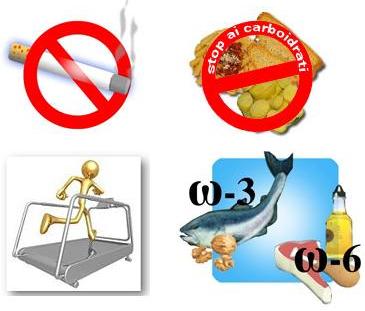
- WEIGHT LOSS: If you are overweight also losing only from 2 to 4 kg helps to reduce triglycerides.
- REDUCE CALORIES: The calories in excess are transformed into triglycerides and stored as fat, it is therefore fundamental to reduce the calorie intake.
- AVOID REFINED AND SUGAR CONTAINING FOODS: Simple carbohydrates such as sugar and food based on white flour therefore very refined, increase triglycerides.
- CHOOSE WHICH FATS TO INSERT: We must in fact replace saturated fats contained in meat with the monounsaturated ones contained in plants such as olives, hazelnuts and rapeseed. Eat fish rich in Omega 3, such as cod and salmon, instead of red meat.
- MODERATE ALCOHOL CONSUMPTION: Alcohol has many calories and sugars and has a powerful effect on triglycerides.
- REGULAR PHYSICAL ACTIVITY: At least 30 minutes of physical activity every day is necessary. The regular physical activity may lower triglycerides and strengthen the “good” cholesterol. Physical activity also helps reduce abdominal fat and to preserve the muscle mass during the slimming.
TRIGLYCERIDES SYMPTOMS AND RISKS: PROPER NUTRITION
The food supply is the most important step because it directly affects the value of the triglycerides, there are therefore official guidelines to keep in mind if you suffer from this disorder and if you want to fight it:
– Remove beverages such as carbonated soft drinks, fruit juices, iced tea, lemonade.
– Limit hard and gummy sweets, chocolates and sweet bars.
– Avoid adding granulated sugar or cane sugar to cereals, drinks or food.
– Use jams without added sugars, we can find in fact only with sugar of the fruit.
– Eat fruit as a snack, not fruit based cakes.
– Choose cereals with not more than 8 grams of sugar per portion.
– Learn to read the labels, low-fat or natural food does not necessarily mean more healthy, but are sometimes tricks to induce to buy, so be careful and choose less sugars and less salt.
– Remove or avoid sweets, including biscuits, cakes, pastries, ice cream (also yogurt), sorbets, semifreddo and ice lollies.
– Prefer “light”/low-fat yoghurt instead of normal yoghurt.
– Limit the portions of vegetables or legumes rich in starch to 1/2 cup.
– Limit the baked potatoes (with peel) to about 100 g.
– Reduce refined grains, i.e. products based on refined, enriched or leavening flours, very poor or lacking in dietary fibre.
– Prefer bread, crackers and cereals with oats, barley, corn, rice or wholegrain wheat as main ingredients.
Alcohol can significantly increase the levels of triglycerides. Examples of alcoholic beverages are beer, wine, spirits, digestives. Men should not drink more than two glasses of alcohol per day. Women should be limited to one glass per day.
Take a look at our tried and tested method: Anti-Diet


Leave A Comment