


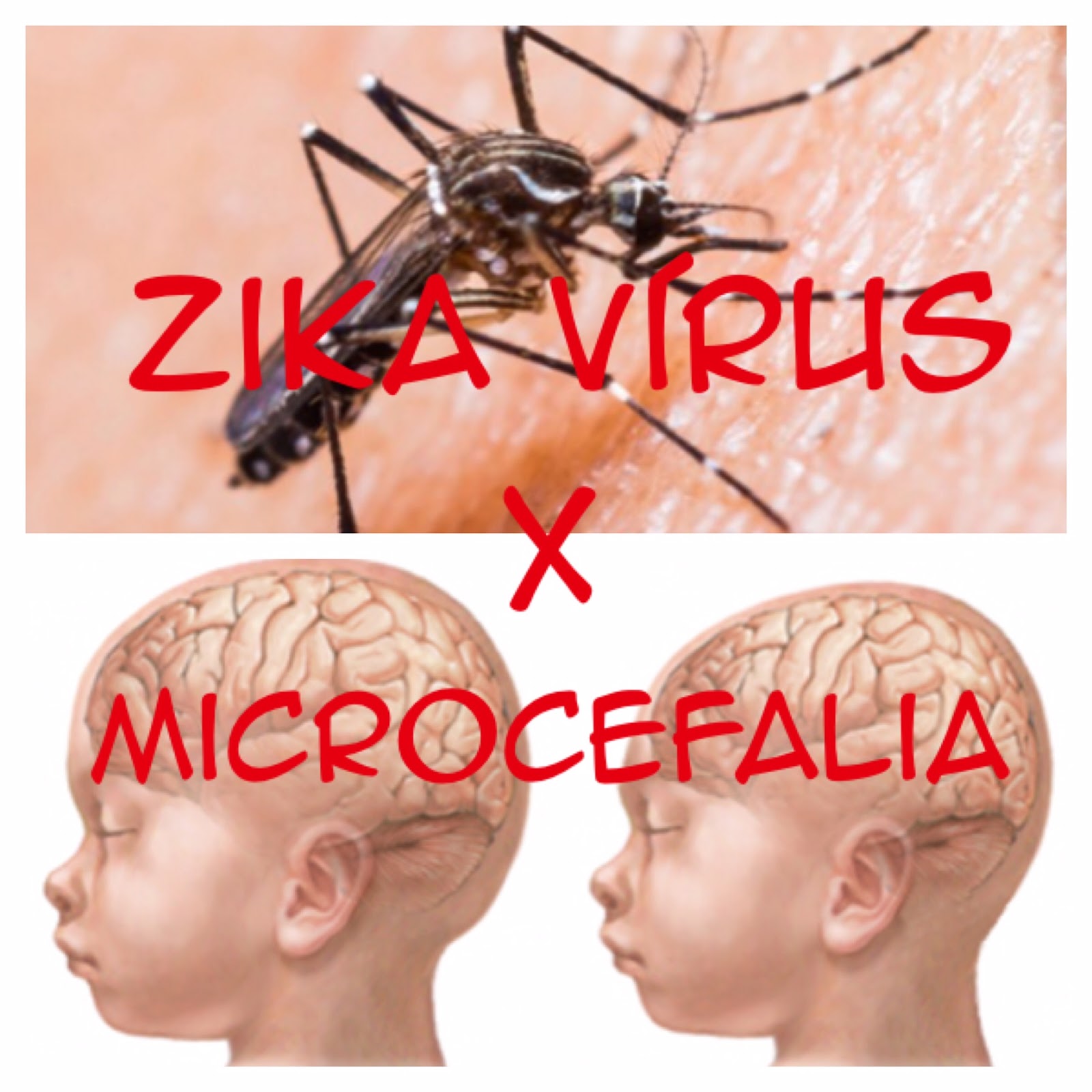
ZIKA VIRUS EPIDEMIC
World alarm, but what is it really and what can it cause?
It starts from South America an epidemic that for many scientists is unique and devastating and can reach easily even Europe, but do we know enough about it?
In reality the first infection dates back to the mid 20th century already in Uganda, but the diffusion or at least the terror began when in the last few years there has been a surge of births with microcephaly in Brazil and the World Health Organization has started to recommend to those who live or travel in areas at risk to delay or avoid a possible pregnancy because the virus is linked precisely to the possibility of damage to the fetuses that are born with this huge problem.
What is the ZIKA VIRUS and what are the symptoms?
It is a virus that belongs to the Flaviviridae family. Its name derives from the place where it was discovered for the first time, the forest of Zika in Uganda in 1947. And the virus is very similar to the one that causes diseases like dengue, yellow fever and West Nile encephalitis. The first infection in humans takes place twenty years after the discovery and isolation in a macaque in Nigeria. The presence of the virus causes the disease known with the name of “Zika” precisely.
In good part of the contagion the disease is totally without any symptoms. In the remaining cases the symptoms are very similar to those of flu such as the presence of fever, weakness and muscle pain, and everything is resolved in a period that goes from 2 to 7 days. However the symptoms that characterize it are conjunctivitis, itching and some cutaneous manifestations. In general the disease resolves itself in a few days without any treatment but there are also rare cases in which complications of neurological nature occur, which however do not lead to substantial damage.
What happens during pregnancy?
The real problem is precisely this because if it seems to be resolved in general without any problems, it creates not a few problems to pregnant women or better to te fetus and in fact the Brazilian authorities over the last few years and in particular during the last twelve months have registered an increase in cases of microcephaly which is a malformation that leads to a more context development of the skull with respect to a normal one, with a deficit of growth in infants, about 3500 cases have been registered and by analyzing the cerebrospinal fluid of some children who did not survive to microcephaly, scientists discovered the presence of the virus. There is however neither sufficient research nor tests to understand which cause-effect binds the fetus to the virus and at the moment the dynamics are unknown, we know for certain only that 3500 children were born with mental disabilities and have the virus or their mothers had it during pregnancy.
The infection takes place through a mosquito bite of the Aedes type that is present in the tropics and south tropical areas that are the official carriers of the virus, furthermore also rare cases of infection have been recorded through infected blood and cases of contagion sexually however very rare. Hence it is ideal to practice safe sex precisely because still too little is known about how it is linked to pregnancy, therefore even a man who has zika could pass it on to the fetus.
Who risks contagion and how can it be diagnosed?
Actually all persons residing in the territories where the mosquito is present are at risk. The disease is similar to flu and probably easily mistakable for a simple flu also due to the absence of characteristic symptoms in almost the totality of the infected persons. Those who should protect themselves are certainly pregnant women. To obtain a certain diagnosis a research of viral RNA in the blood using the PCR technique could be done.
can ZIKA be prevented or treated?
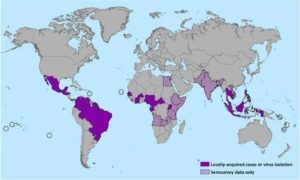
At the moment there are no cures or vaccines and a part from trying to avoid the areas at risk and avoid bites as much as possible, little can be done. We must remember that in the sub-tropical areas the risk of insect bites is very high and therefore we must guard ourselves with mosquito suitable repellents. If after returning from a stay in one of the areas at risk you encounter fever, it is recommended to go to specialist centre, usually the health department has an office designated to vaccinations and from returning from particular areas. At the moment Brazil is a focal point as well as Paraguay and Mexico, in addition to the virus started from Africa and a few cases have been registered in Asia too.
In the news of these days we can hear about a contagion also near Bologna, and of course the high summer temperatures and humidity on constant increase in Europe does not give us any good hopes.
Read also how to prevent a stroke


Leave A Comment