


Omega 3 and hypertension!
What are omega 3, what is there use and how can we use them to reduce hypertension.
What are OMEGA 3
The Omega-3 are fatty acids that belong to the so called “good fats” group. The polyunsaturated omega-3 fatty acids EPA and DHA are important for the organism and contribute towards the different functions of the organism and in fact the Omega-3 fatty acids facilitate:
- The reduction of triglycerides and bad cholesterol (LDL), thereby increasing the good one (HDL).
- Help prevent degenerative pathologies, especially cardiac, protecting the blood vessels’ wals from the formation of atherosclerotic plaques.
- They also help reduce high blood pressure.
Precisely with regard to the high blood pressure a recent study was made and presented during the annual meeting of the American Heart Association, conducted at the University of Zurich which showed that young people who have a diet rich in omega-3 develop less hypertension i.e. high blood pressure. The study was held out on approximately 2000 subjects aged between 25 and 41 years. All participants at the beginning of the research, had excellent health conditions and a body mass index of 35 kgm2. The scholars decided to divide the people in 4 groups, depending on the quantity of omega-3 present in their body and in people with the highest values of omega 3, were revealed improvements in the systolic blood pressure (4 mmhg less) and in the diastolic blood pressure (2 mmhg), hence practically according to this research, those who follow a diet rich in omega 3 show a decrease of blood pressure in the arteries, thus distancing the risk of high blood pressure (hypertension).
Foods containing omega 3
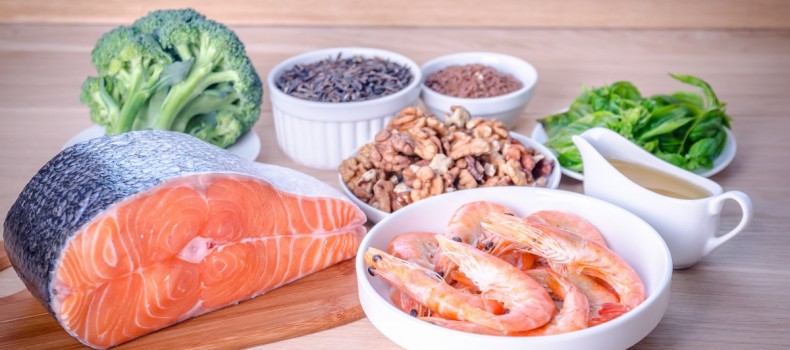
As we have said, omega 3 fatty acids are essential for our organism which however does not produce enough and therefore we need to retrieve them via nutrition or through natural supplements. We find them in :
– walnuts, hazelnuts and almonds,
– Cereals,
– algae, beans, peas, lentils, chickpeas and soybeans.
The largest amount however is found in fish:
– anchovies, sardines, mackerel, salmon, tuna, swordfish, halibut and krill.
They are also contained in certain foods of plant origin such as flax seeds and linseed oil which according to recent researches is the richest vegetable source of Omega 3 and above all the most useful in helping maintain a balanced diet even by excluding foods of animal origin, for example for those who choose to follow a vegetarian or vegan regime and therefore exclude fish which as we previously said is one of the major sources of omega 3.
We must therefore note that just one tablespoon of linseed oil (equivalent to 15 ml) provides approximately 6.6 grams of omega 3, while 30 grams of ground flax seeds will provide approximately 3.2. Linseed oil is a particularly perishable food and must therefore not be exposed to light and to direct heat and therefore cannot be used for cooking, but can be used only and exclusively raw. As regards to flax seeds instead, they must necessarily be ground in order to be able to be assimilated by our organism, they also help make dishes tastier starting from cereals, to salads, to soups or to an intense bowel intestinal purification.
Take a look at our tried and tested method: Anti-Diet


Leave A Comment